Core capabilities
Context retrieval, semantic alignment, planning, tool execution, validation, and governance form the complete capability chain.
Read the definition and boundariesA field guide to data agents
DataAgentX is an independent publication covering the architectures, products, industry shifts, and operating practices behind governed, verifiable data work.
Start here
A Data Agent is an intelligent system built to complete data work. It turns a business question into an executable plan, uses governed data and analytics tools, and returns results with sources, assumptions, and validation evidence. It is broader than natural-language-to-SQL and more operational than chat-based BI.
Context retrieval, semantic alignment, planning, tool execution, validation, and governance form the complete capability chain.
Read the definition and boundariesFrom task entry to delivery and continuous learning, seven layers cover semantics, planning, controlled execution, verification and repair, with governance throughout.
Explore the seven-layer architectureExecutable SQL does not guarantee a trustworthy answer; teams must also test metric definitions, permission inheritance, evidence, and recovery paths.
Build an evaluation systemLatest coverage
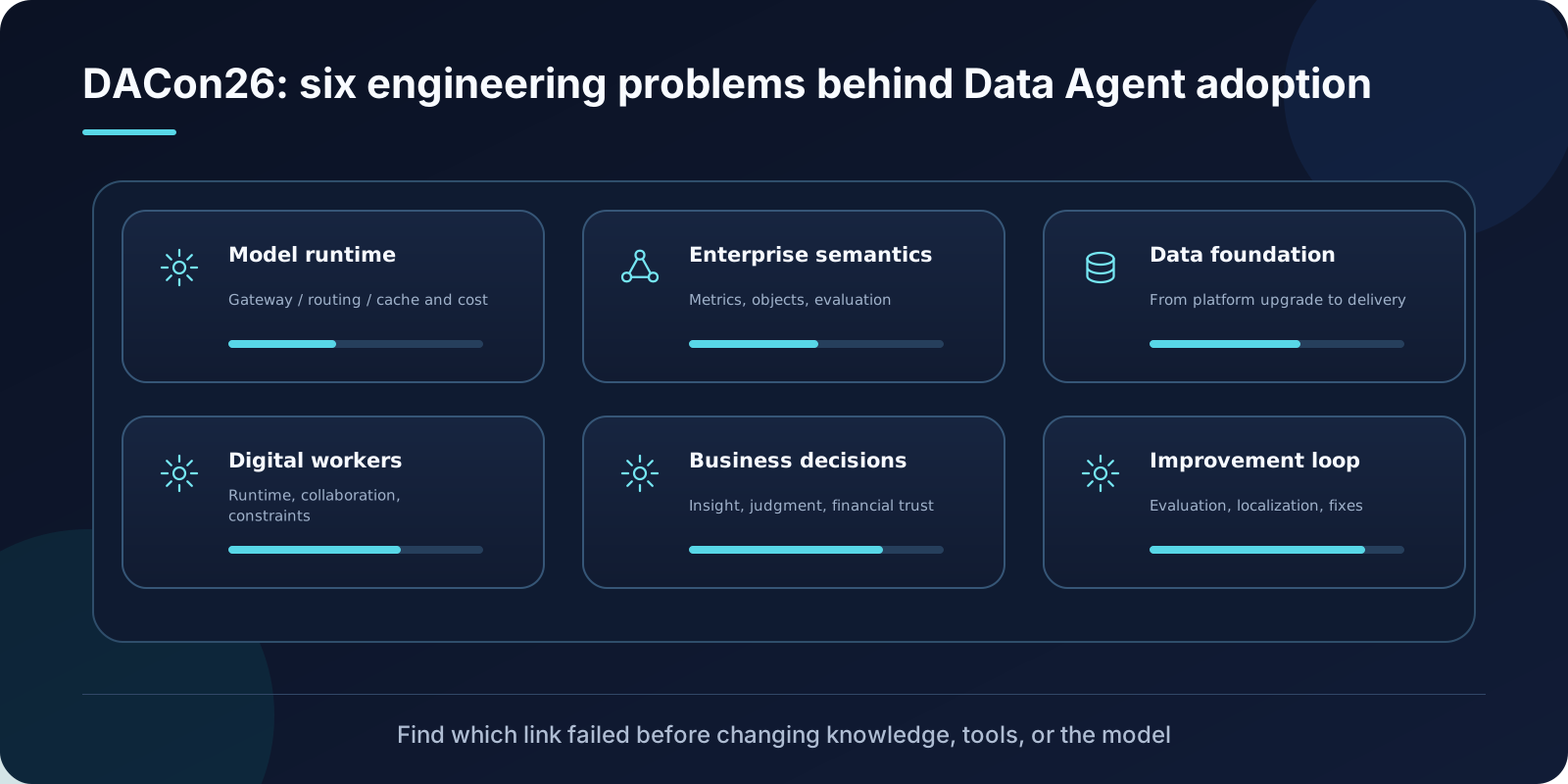
October 18–24, 2026: Six engineering challenges distilled from 19 sessions at DACon26, alongside updates on DataBuddy private deployment, DatI, ontology-enhanced research, and progress from NVIDIA, Hex, Snowflake, and Plotly.
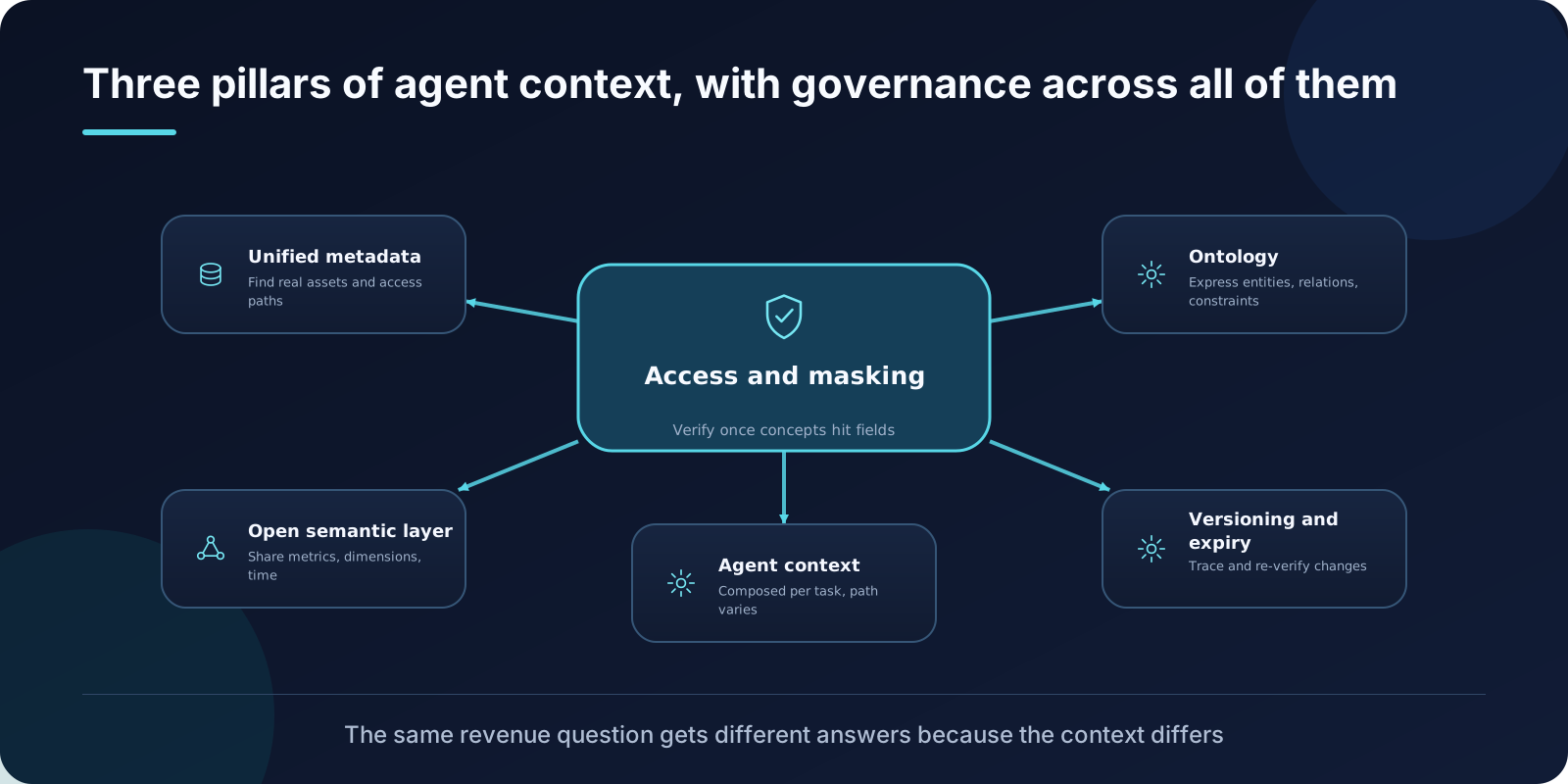
Starting from the three pillars of DACon 2026, this article explains what unified metadata, open semantic layers, and Ontology each address, why context expires, and which real-world problems should serve as the starting point for construction.
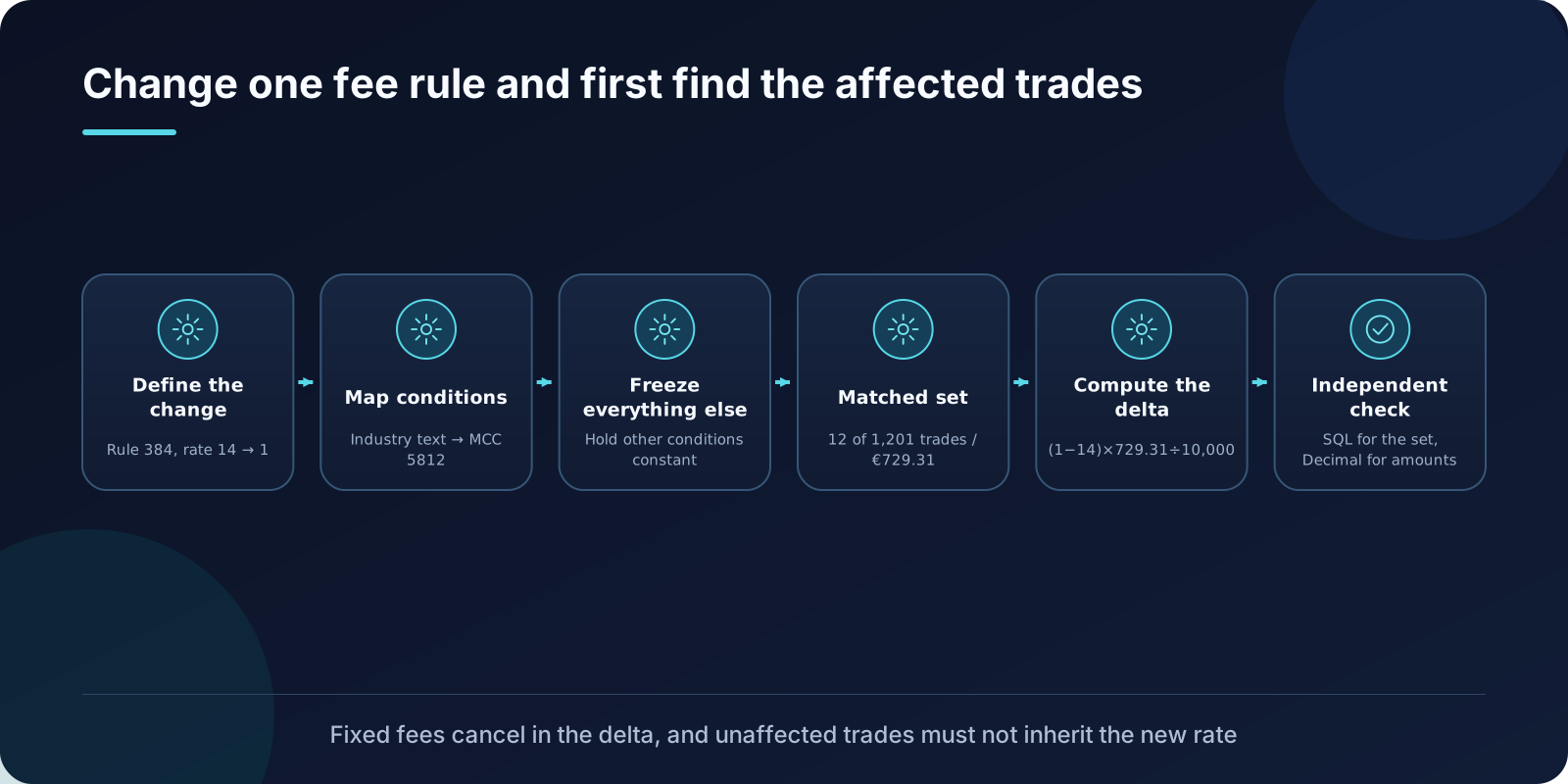
Recalculate payment fee rate changes using two public hard problems from DABstep: how conditions map to MCC codes, how the affected transaction set is determined, why fixed amounts offset in the differential, and how individual differentials are independently verified.
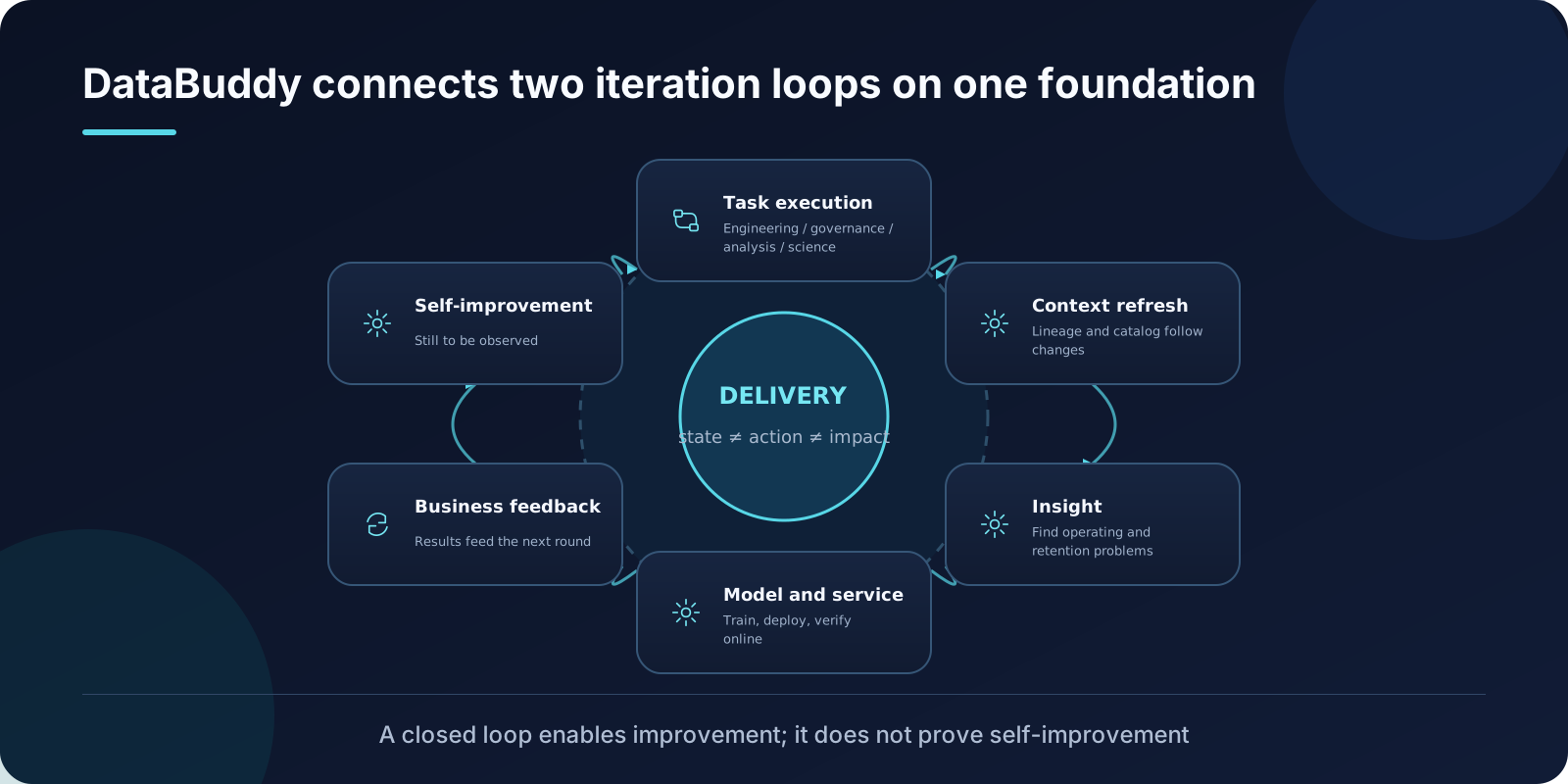
Synthesizing the launch event to outline DataBuddy's four task categories, three foundational pillars, and two integration pathways. It explains why context updates for engineering governance and business feedback currently serve only as prerequisites for self-evolution rather than representing an achieved capability.